JapaneseKyushuMain courseLactose-free
Yaki-UdonFried Udon with Pork and Cabbage
A Japanese classic from Kyushu: according to tradition, yaki-udon were created shortly after the war in Kokura, today's Kitakyushu, when there were no yakisoba noodles to be had and udon went into the pan instead. Unlike Yakisoba — Fried Noodles with Cabbage and Pork, here thick udon are fried in soy sauce instead of the sweet and savoury yakisoba sauce. The noodles develop toasty spots in the hot wok, the cabbage stays crisp, and on top the bonito flakes dance in the rising heat; a splash of sake contains alcohol, which cooks off during cooking.
30
minutes
4
servings
15
Ingredients

Instructions
Peel the onion and cut it into strips; peel the carrot and cut it into fine matchsticks. Cut the white cabbage into pieces of about 3 cm, slicing the thick leaf ribs flat and thin as you go so that they cook at the same time as the leaves. Twist the tough stalks off the shiitake, slice the caps and cut the spring onions into fine rings.
Cut the pork into thin strips about 4 cm long, if it was not bought that way; this works especially well when it is slightly frozen. Stir the soy sauce, oyster sauce and sugar together in a small bowl until the sugar has dissolved — things move very quickly in the wok later, so everything must be ready to hand beside the hob.
Bring plenty of water to the boil in a pan and cook the udon in it for 1 minute, until they can be separated with chopsticks; frozen udon go in frozen, and dried ones are cooked according to the packet instructions, but 1 minute less. The noodles should still be distinctly firm to the bite, as they continue cooking in the wok.
Tip the udon into a sieve and shake them thoroughly: wet noodles would steam in the wok instead of frying, and the sauce would become watery.
Heat the neutral oil in a wok or a large, heavy frying pan over a high heat until it shimmers slightly. Add the pork, leave it for a moment until it takes on colour, then stir-fry until no pink is visible anywhere and the edges are crisp — this way it has safely reached 70 °C in the centre.
Add the onion and carrot, then the white cabbage and shiitake, and stir-fry everything over a high heat, turning constantly, until the cabbage is browned at the edges but still crisp inside and there is a sweet aroma.
Add the udon and toss them loosely with two spatulas. Pour the sake in around the edge of the wok — it sizzles vigorously and the alcohol evaporates — then pour the sauce over and toss everything over a high heat until the noodles have an even, light brown gloss and are lightly toasted in places.
Pull the wok off the heat, drizzle the sesame oil over and toss once: added only at the end, it keeps its nutty aroma.
Divide the yaki-udon between four plates, sprinkle with the spring onions and bonito flakes and put the red ginger alongside. Serve immediately: in the rising heat, the wafer-thin bonito flakes move as if they were dancing, and the tangy, sharp ginger freshens every bite.
Edited by Peter Hölzer, head chef and master butcher
Similar recipes

Culinse · 60 min
Nagasaki-style Sara-Udon — Crispy Noodles with Vegetables and Seafood in Sauce

Culinse · 52 min
Sanuki-Udon — Homemade Thick Wheat Noodles
Culinse · 45 min
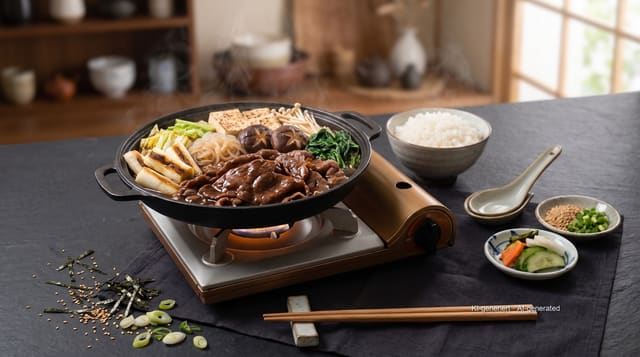
Kansai-style Sukiyaki — Beef Seared First, Then Braised
Culinse · 40 min
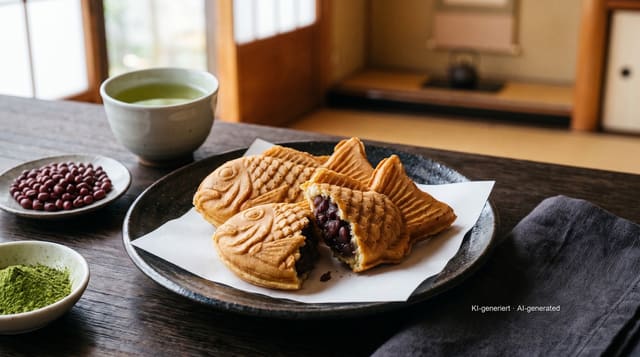
Taiyaki — Fish-shaped Waffles with Bean Paste

Culinse · 35 min
Gyudon — Beef on Rice
Culinse · 55 min
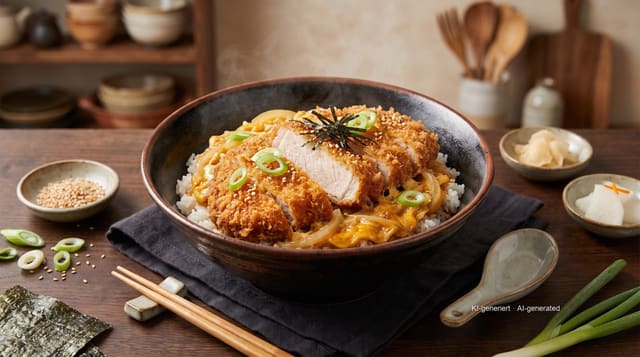
Katsudon — Breaded Cutlet with Egg on Rice

Culinse · 35 min
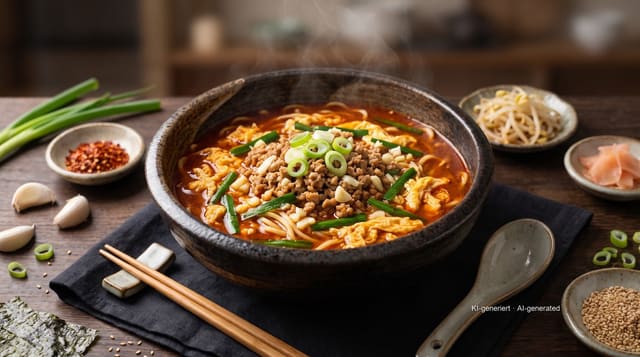
Miyazaki-Ramen with Soft Noodles and Takuan
Culinse · 35 min