JapaneseDessertVegetarianVegan
AnkoSweet Red Bean Paste
A Japanese classic found in countless sweets all over Japan: Anko is a paste of red adzuki beans and sugar, here in the chunky version (tsubuan), in which many of the beans stay half whole — dark wine red, velvety and mildly nutty-sweet. As a basic recipe, it fills daifuku, dorayaki, taiyaki and anpan and belongs in zenzai and anmitsu. Because the beans soak overnight, preparation starts the day before.
105
minutes
8
servings
5
Ingredients

Instructions
Spread the adzuki beans out on a pale plate and pick them over, sorting out small stones as well as broken and shrivelled beans. Rinse the beans in a sieve, put them in a large bowl and pour over the water for soaking. Leave them to swell, covered, in a cool place overnight, for at least 8 hours: the beans roughly double in size and then cook faster and more evenly.
Drain the beans in a sieve and discard the soaking water. Put them in a large pan with 500 ml of the water for cooking, bring to the boil and let them boil rapidly until the water turns reddish brown.
Drain the beans again, discard the cloudy cooking water and rinse the beans briefly under cold water. In Japan this draining is called shibukiri: the first cooking water takes the bitter compounds and tannins from the skins with it, and the paste later tastes rounded and clean instead of harsh.
Return the beans to the rinsed pan with 800 ml of the water for cooking and bring to the boil. Reduce the heat, set the lid on at an angle and let the beans simmer very gently, because rapid boiling bursts the skins before the beans are soft inside. If the beans poke out of the water, gradually top up with the remaining 200 ml of the water for cooking.
Take out a bean, let it cool briefly and press it between your thumb and little finger: the bean must collapse into a soft mash without any force and must no longer have a firm core. If it is still firm, keep simmering and check again every 10 minutes. This is important, because once the sugar is in the pan, the beans will not get any softer.
Tilt the pan slightly and pour off enough cooking water that it is only just below the surface of the beans, holding the beans back with the lid. Some liquid must remain so that the sugar can dissolve and the paste does not burn as it cooks down.
Scatter in half the sugar and fold it in gently with a wooden spatula until it has dissolved and the beans are glossy, then fold in the rest of the sugar in the same way. The sugar goes in in two portions because too much sugar at once draws water out of the beans abruptly and makes them hard and wrinkled.
Cook the paste down over a medium heat, stirring constantly and always running the spatula over the whole bottom of the pan so that nothing catches. The mixture bubbles and spatters, and hot sugar mixture burns the skin, so work with a long-handled spatula and turn down the heat if necessary. The anko is ready when a line drawn across the bottom of the pan stays visible for a moment before the paste flows back together.
Stir in the salt: you cannot taste it, but it rounds out the sweetness and deepens the bean flavour. The paste still seems a little too soft at this point, but it thickens considerably as it cools.
Spread the anko in several flat mounds on a large plate or baking tray and leave to cool uncovered: this way excess moisture evaporates and the paste cools quickly, which makes it keep longer. As soon as it is only lukewarm, cover it with cling film pressed directly onto the surface so that no dry skin forms, and leave to cool completely.
Edited by Peter Hölzer, head chef and master butcher
Similar recipes

Culinse · 15 min
Ponzu — Citrus Soy Sauce

Culinse · 45 min
Ura-Maki — Inside-out Rolls with Salmon, Cucumber and Sesame
Culinse · 30 min
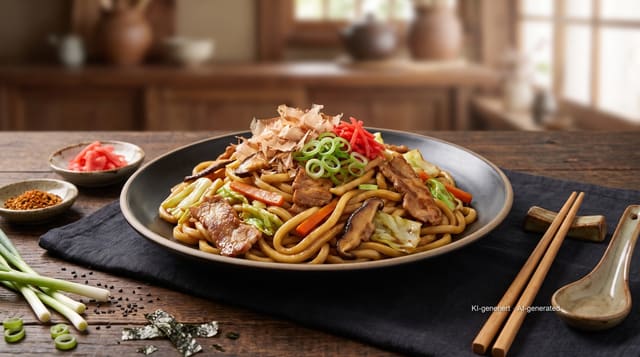
Yaki-Udon — Fried Udon with Pork and Cabbage

Culinse · 10 min
Tonkatsu Sauce — The Dark Sauce for Breaded Dishes

Culinse · 20 min
Horenso no Ohitashi — Spinach in Dashi Broth

Culinse · 30 min
Ika no Sugata-yaki — Grilled Squid with Soy Sauce
Culinse · 15 min
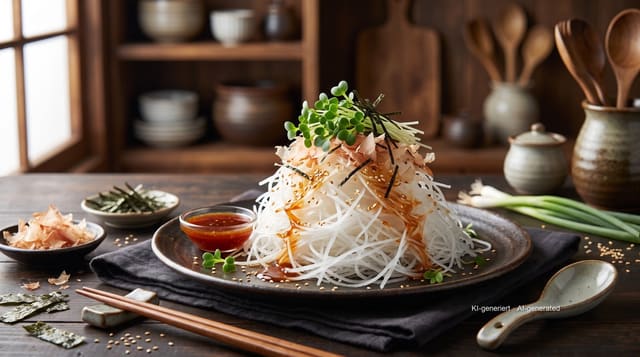
Daikon Salad with Ponzu and Bonito Flakes

Culinse · 25 min